 01Foundation
What are nicotine pouches, and how do they work?
The product, the route of absorption and the distinction between tobacco-free and risk-free.
Research archive
Each report answers one question, then shows the evidence, counterpoints, limitations and source trail behind it.
The product, the route of absorption and the distinction between tobacco-free and risk-free.
What the absence of combustion supports, and what limited long-term evidence cannot yet establish.
They are used similarly but differ in composition, legal classification, evidence and labelling.
A new product category has landed inside older legal systems built around tobacco, medicines and food.
A practical transparency test covering identity, age controls, product data, delivery and accountability.
What randomized trials, systematic reviews and regulator decisions establish, and what they still do not show.
They share an oral route and an addictive ingredient, but differ sharply in regulatory purpose, instructions, evidence and what their milligram labels can tell a reader.
A limit is a policy model, not just a number: governments choose different denominators, product definitions and responses to uncertain evidence.
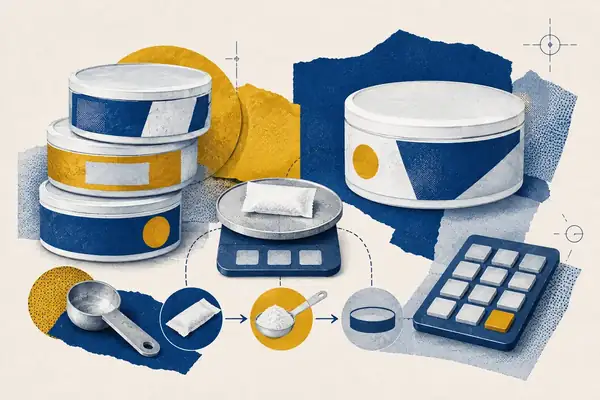
Start with milligrams per pouch, verify the denominator, and treat dots, flames and words such as “strong” as marketing, not measurement. Ingredient disclosure and package authenticity are separate checks.
Local mucosal changes are increasingly documented, but evidence on gum recession, periodontal disease, caries and cancer remains limited and uneven.
Nicotine can produce short-lived cardiovascular changes; pouch-specific studies show acute effects, but cannot yet determine long-term disease risk.
Direct pouch-specific outcome data are scarce, but nicotine crosses the placenta and public-health and obstetric authorities advise against use during pregnancy.
For someone without an existing nicotine exposure, pouches introduce addiction and health risks without the potential benefit of replacing a more harmful product.
The label gives content, not absorbed dose. Clinical studies show wide variation in extraction, peak blood concentration and time to peak across products.
The category is newer than the diseases researchers need to measure, and rapid product change makes yesterday’s exposure an imperfect proxy for today’s market.
Three related processes explain why repeated pouch use can become difficult to stop, and why relief after another dose is not the same as improved wellbeing.
Adding pouches can reduce cigarette consumption, sustain smoking, or become a bridge to complete switching; the exposure consequence depends on which pathway actually occurs.
The active molecule can be the same, but stereochemistry, impurities, manufacturing records and legal treatment still require product-specific evidence.
Milligrams state nominal content; chemistry, release and oral absorption determine how that content becomes exposure over time.
A practical way to separate active ingredient, carrier, pH control, moisture, sweetness and flavour without turning an ingredient list into a strength, format or authenticity verdict.
They usually describe pouch geometry and mass, not nicotine strength, ingredient completeness or authenticity. The boundaries can change by brand and market.
EU rules provide a legal backdrop, but tobacco-free nicotine pouches still depend heavily on national classification and product controls.
Market authorization, manufacturing, labelling and enforcement are distinct, and authorization is neither medical approval nor a category-wide safety endorsement.
Therapeutic purpose, dose and authorization place qualifying pouches inside a health-product system rather than an ordinary consumer-pouch market.
A route-by-route snapshot of ten human-approved country records shows why a single legal-or-illegal label is not enough.
Flavour can increase appeal and differentiate adult products, but regulators worry that sweet, fruit and concept names recruit young non-users and weaken risk communication.
The headline age can be 18 or 21, but coverage, commencement, online checks, proxy purchase and pharmacy status determine whether a rule works.
Product definitions determine whether tobacco-style bans reach pouch promotions, while digital platforms, influencers and cross-border sponsorship expose enforcement gaps.
Classification, policy objectives and tax base determine whether pouches face no excise, a weight-based nicotine-product duty or another national charge.
A country can prohibit local retail, regulate overseas distance sellers, permit a narrow personal import or stop parcels at the border; none of those answers automatically determines the others.
Accompanied baggage changes the customs procedure and sometimes the available exemption, but it does not erase product bans, quantity limits, tax, declaration or age rules.
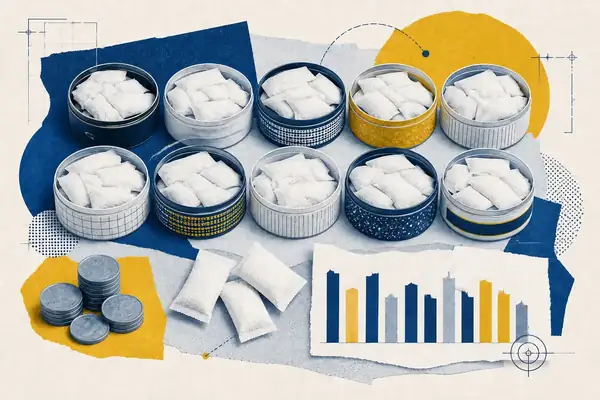
A same-store comparison holds the retailer and observation date constant, then compares median unit prices across ten brands.
A polished storefront and valid padlock identify neither the legal trader nor its ability to fulfil, refund or comply with destination rules.
Useful shipping information distinguishes processing from transit, estimates from guarantees, tax from product legality, and checkout availability from customs clearance.
Identity and traceability signals can expose inconsistencies, but no single barcode, seal or batch code proves that a pouch is genuine.
Cancellation, defects, hygiene exclusions, carrier loss, customs refusal and charge disputes are different events with different evidence and remedies.
A legal-status answer is published only after product, place, date, actor and route are matched to operative sources and uncertainty survives review.
 02Health evidence
 03Classification
 04Public policy
 05Adult consumer protection
 06Smoking cessation
 08Nicotine replacement
 09Product regulation
 10Product labelling
 11Oral health
 12Cardiovascular health
 13Pregnancy
 14Youth prevention
 15Nicotine delivery
 16Evidence gaps
 17Dependence
 18Use patterns
 20Product composition
 21Product science
 22Product labelling
 23Product format
 24European regulation
 25United States regulation
 26Canadian regulation
 27Country regulation
 28Flavour policy
 29Retail regulation
 30Marketing regulation
 31Excise policy
 32Cross-border regulation
 33Traveller import
 35Brand pricing
 36Retailer verification
 37Shipping and customs
 38Product authenticity
 39Consumer protection
 40Research methods